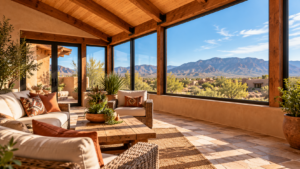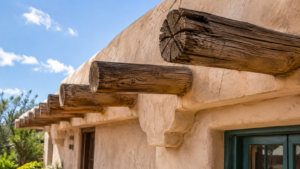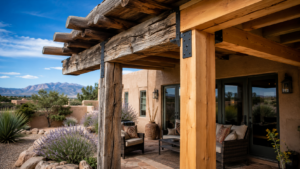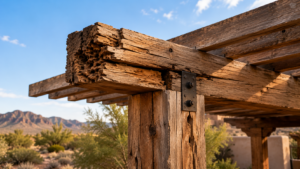
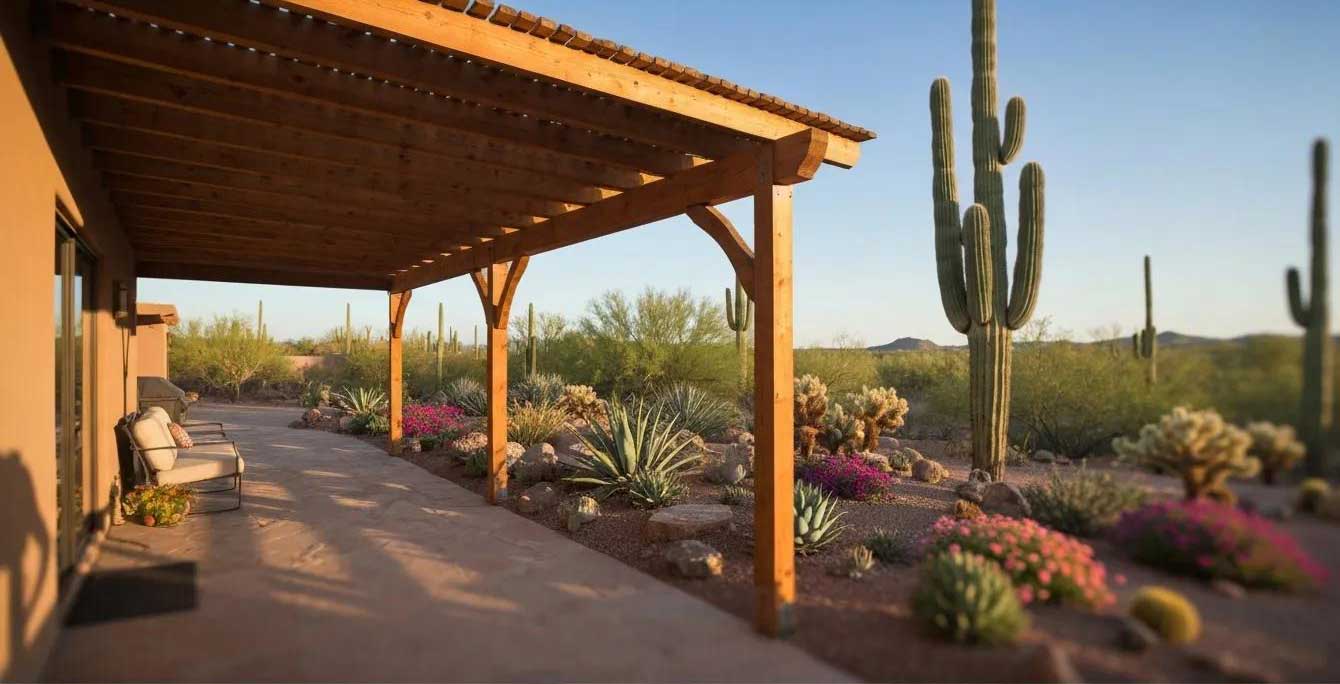
If you live in the Southwest, you know the sun can be relentless. A patio that should feel like an oasis can quickly turn into a scorching hot slab you avoid most of the year. That’s where pergolas come in. These versatile shade structures not only add style and character to your backyard but, when designed correctly, they can also provide serious relief from the heat.
At El Pueblo Woodworking, we craft custom pergolas in Albuquerque, designed specifically for our desert climate. Let’s look at how much shade they really provide, which designs work best in hot, sunny areas, and how the right materials and placement can turn your outdoor space into a cool, comfortable retreat.
How Much Shade Does a Pergola Really Provide?
Pergolas don’t block 100% of sunlight like a solid roof would, but that’s part of their charm. Instead, they create dappled shade that cools the air, softens harsh light, and makes outdoor living possible even during the hottest parts of the day.
On average, a well-designed pergola can block 60–70% of direct sunlight. That difference can lower surrounding temperatures by several degrees, making your patio far more usable during long summer afternoons.
Research shows that pergolas make a real difference in how comfortable it feels outside. Studies have found that the shade from pergolas can lower temperatures by as much as 29°F, creating a much more pleasant outdoor atmosphere during the summer months.
What Affects the Amount of Shade?
Several design choices determine how much shade your pergola delivers:
- Slat spacing and angle – Narrower gaps block more sun. Adjusting the angle can maximize coverage during peak hours.
- Orientation – An east-west pergola provides morning coverage, while north-south setups help with afternoon rays.
- Overhang depth – Wider beams and deeper overhangs cast longer, denser shadows.
- Material choice – Some woods reflect heat better, while metals absorb more and may get hot to the touch.
When these elements are balanced, your pergola can provide just the right amount of shade without making your patio feel closed off.
Best Pergola Designs for the Southwest
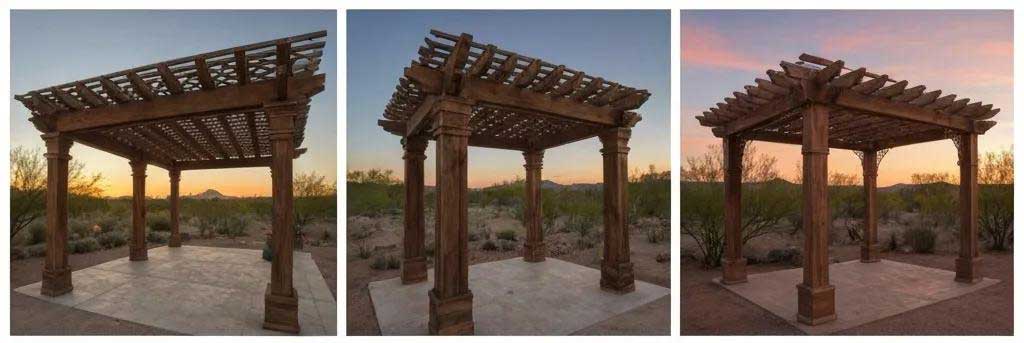
Not all pergolas are created equal. Some designs are better suited for blocking the intense desert sun:
- Louvered Pergolas – Adjustable slats let you fine-tune light and airflow.
- Solid-Top Pergolas – Great if you want maximum shade and UV protection.
- Arched or Curved Designs – Extend shadow coverage while adding architectural flair.
Pairing these structures with the right placement ensures you get the shade where you need it most.
Choosing the Right Material
Material makes a huge difference in both performance and maintenance:
- Cedar & Redwood – Naturally resistant to insects and decay, stay cooler than metal, and require little upkeep.
- Aluminum – Durable and virtually maintenance-free, reflects sunlight well.
- Steel – Extremely strong, great for large spans, but can absorb more heat.
For most Southwest homeowners, cedar and redwood hit the sweet spot: beautiful, durable, and cool to the touch.
| Material | Heat Resistance | Maintenance Level |
|---|---|---|
| Cedar | High | Low |
| Redwood | High | Low |
| Aluminum | Medium-High | Very Low |
| Steel | Very High | Medium |
Add-Ons That Boost Shade
Pergolas can be customized with accessories and landscaping to increase comfort:
- Retractable canopies or shade sails – Block over 90% of UV rays when extended.
- Drought-tolerant vines – Grapevines, bougainvillea, or wisteria add greenery, natural shade, and seasonal color.
These extras help you get the most from your pergola while enhancing your backyard’s style.
Why Choose a Custom Pergola?
Every yard is different, and every homeowner uses their outdoor space in unique ways. A custom shade structure is designed specifically for your home’s layout, your lifestyle, and the Southwest sun’s angles.
At El Pueblo Woodworking, we build pergolas from locally sourced cedar, redwood, and durable metals. Our craftsmen consider sun paths, beam spacing, and overhang depth to ensure your pergola provides shade exactly where you want it—morning coffee on the patio, weekend BBQs, or evening gatherings with friends.
The result? A shaded retreat that adds value to your home, reduces cooling costs, and lets you enjoy your outdoor space year-round.
Pergola FAQs
What’s the best way to position a pergola for maximum shade?
An east-west orientation helps block the morning sun, while north-south offers better afternoon coverage. The right layout depends on when you use your patio most.
Should I DIY my pergola or hire a pro?
While DIY kits exist, a professional build ensures structural integrity, proper permits, and a pergola designed specifically for your home and climate.
How do I maintain a pergola in desert heat?
Wood pergolas need resealing every few years, while aluminum and steel are nearly maintenance-free. All benefit from occasional cleaning to remove dust and debris.
Do plants really help with shade?
Absolutely. Vines like grape or bougainvillea create a lush canopy, cool the area, and add natural beauty to your outdoor space.
How much does a custom pergola cost in the Southwest?
Most range between $2,000–$15,000, depending on size, materials, and design complexity. A custom pergola adds long-term value while improving daily comfort.
Ready to Build Your Shade Oasis?
A thoughtfully designed pergola can cut solar exposure by more than half, lowering temperatures and making your patio inviting even on the hottest days. At El Pueblo Woodworking, we specialize in building pergolas that combine Southwest craftsmanship with smart design—tailored to your home and lifestyle.
Contact us today for a custom consultation and let’s turn your patio into the shaded retreat you’ve been dreaming of.